Learning how to meditate is a simple yet powerful way to calm the mind, improve focus, and reduce stress. Practiced for thousands of years across cultures, How to Meditate: A Simple and Stress-Free Guide
Meditation is not about stopping thoughts. It is about training attention.
In a world filled with distraction, overstimulation, and constant cognitive demand, meditation offers a structured method for developing clarity, emotional regulation, and nervous system balance.
It does not require special talent. It requires consistency.

What Meditation Actually Is
Meditation is the practice of sustained awareness.
Rather than controlling the mind, you observe it. Rather than suppressing thoughts, you recognize them and return to a chosen anchor, usually the breath.
Over time, this repetition strengthens attention and reduces automatic reactivity.
Meditation develops:
• Focused attention
• Emotional steadiness
• Stress resilience
• Cognitive clarity
• Self-awareness
It is mental training, not passive relaxation.
Step-by-Step: How to Start Meditating
1. Choose a Simple Environment
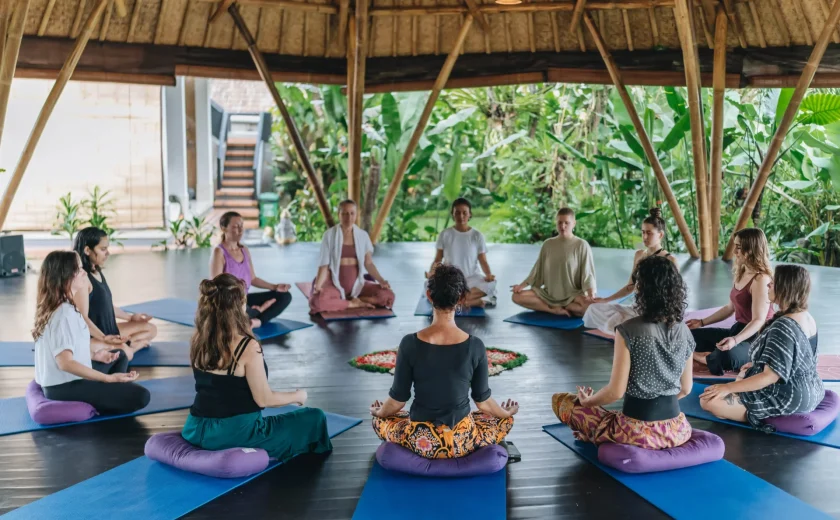
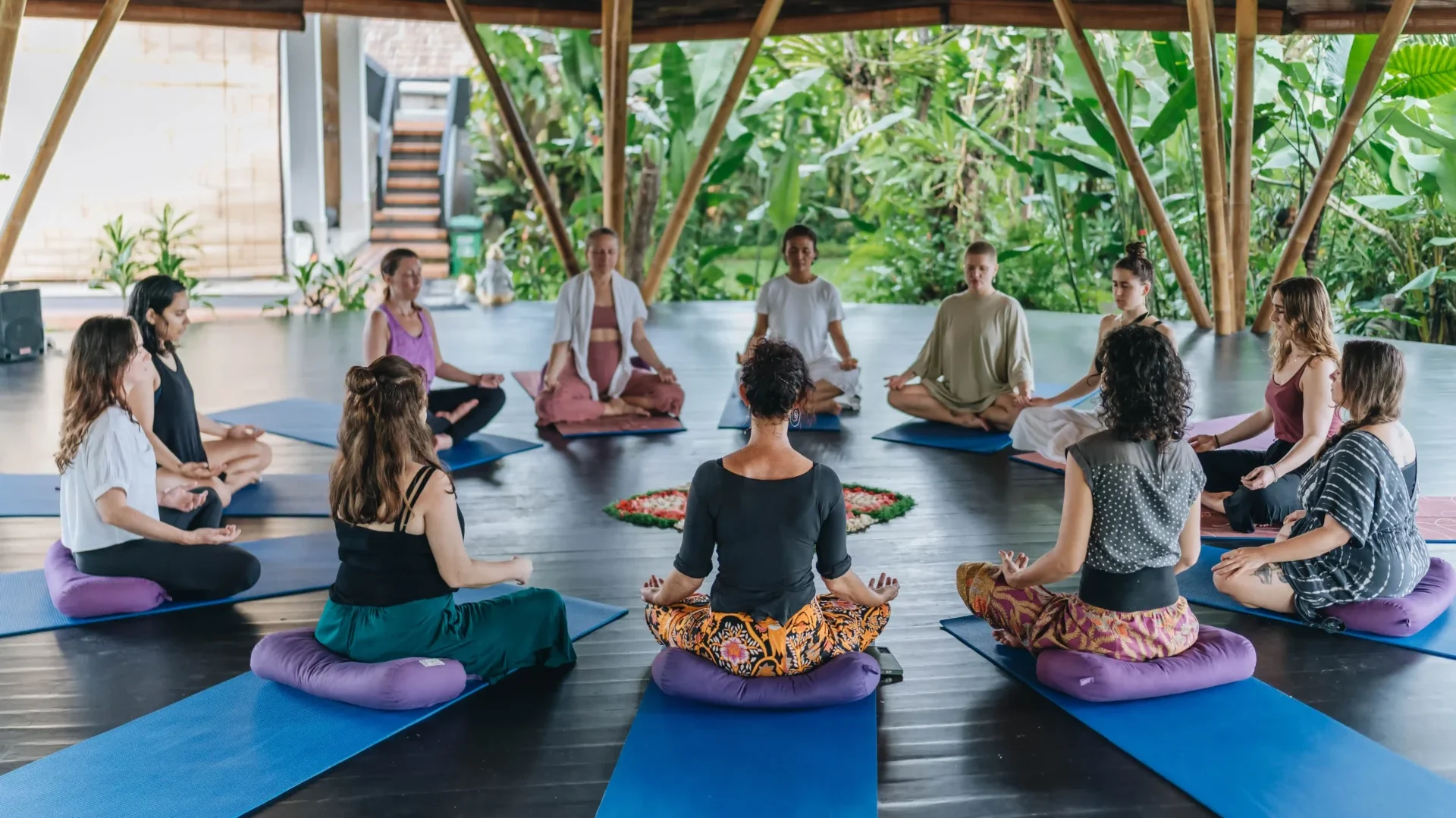
Sit in a quiet space where you will not be interrupted. You can sit on a cushion, chair, or folded blanket. Keep the spine upright but relaxed.
Comfort matters, but alertness is essential.

2. Use the Breath as Your Anchor
Close your eyes gently.
Bring attention to the natural rhythm of your breath. Do not manipulate it. Simply observe:
• The inhale
• The exhale
• The pause between breaths
When the mind wanders, gently return to the breath without judgment.
This return is the training.

3. Start Small
Begin with 5 minutes per day.
Consistency is more important than duration. Gradually increase to 10–20 minutes as focus strengthens.
Meditation improves through repetition, not intensity.

The Science Behind Meditation
Regular meditation affects the nervous system directly.
Slow, conscious breathing activates the parasympathetic response, reducing stress hormones and stabilizing heart rate variability.
Over time, meditation:
• Lowers baseline cortisol
• Improves emotional regulation
• Enhances concentration
• Strengthens prefrontal cortex activity
• Reduces anxiety reactivity
This is measurable physiological change, not abstract philosophy.

Common Challenges for Beginners
It is normal to experience:
• Restlessness
• Racing thoughts
• Physical discomfort
• Impatience
These are not signs of failure. They are signs of awareness increasing.
Meditation is not about achieving silence. It is about noticing distraction and returning calmly.
Progress is subtle but cumulative.

Breathwork and Meditation
Breath regulation enhances meditation depth.
Practices such as lengthened exhalation, nasal breathing, or simple counted breath techniques help stabilize attention and regulate the nervous system.
When breath and awareness combine, meditation becomes both calming and clarifying.

Meditation Training at YogaUnion Bali
For aspiring teachers and dedicated practitioners, meditation is not optional. It is foundational.
Beyond basic seated awareness, structured training deepens understanding of:
• Nervous system regulation
• Trauma-informed breath practices
• Somatic awareness and body-based processing
• Guided meditation facilitation
• Emotional resilience development
At YogaUnion Bali, our 50-Hour Meditation Teacher Training provides an in-depth exploration of traditional meditation techniques combined with modern neuroscience and embodiment principles.
Students learn how to:
• Lead guided meditation sessions with clarity and confidence
• Understand different meditation styles and their psychological effects
• Integrate mindfulness into yoga sequencing
• Work safely with emotional activation in students
• Apply meditation beyond the mat into daily life
In addition, our Breath & Somatic Training explores the physiological and psychological impact of conscious breathing. Participants study breath mechanics, vagal tone stimulation, and somatic integration practices that support trauma-sensitive teaching and nervous system recalibration.
This combination of meditation and breath-based somatic work creates a comprehensive framework for modern teaching.
Rather than treating meditation as a brief closing ritual, we approach it as a professional discipline rooted in both ancient wisdom and contemporary science.