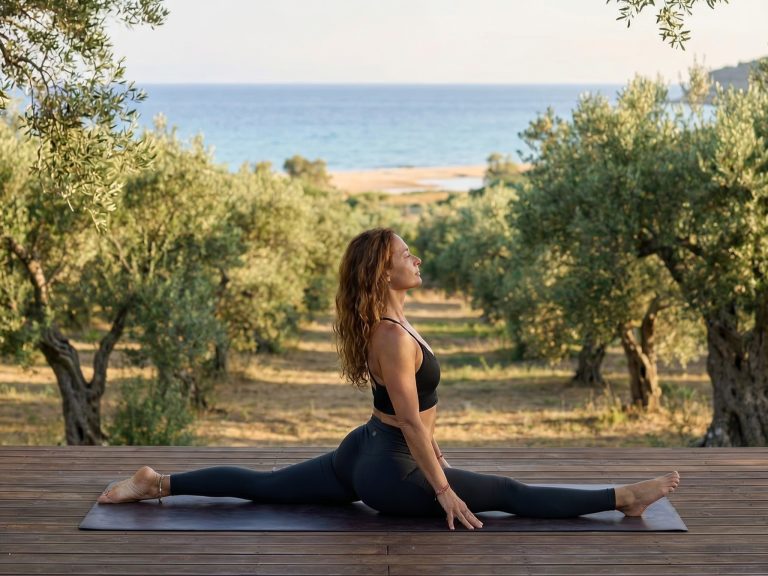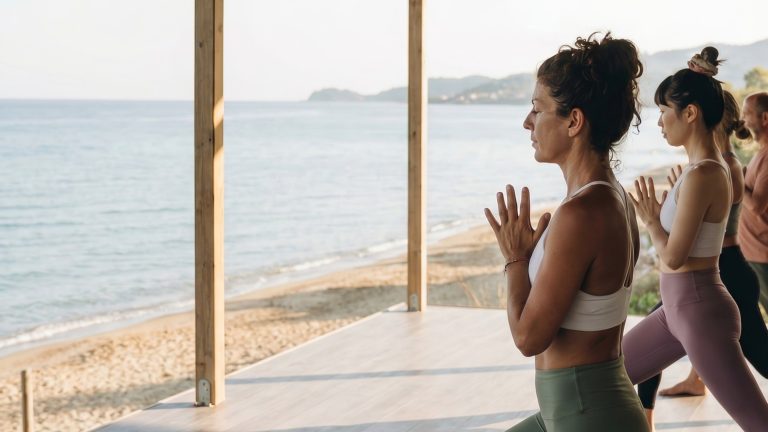
Vinyasa Yoga is a dynamic and breath-led practice that links movement with conscious awareness. More than a physical workout, it is a structured methodology that integrates strength, mobility, rhythm, and mental focus.
At its core, Vinyasa is defined by the synchronization of breath and movement. Each posture transitions with intention. The inhale expands and prepares the body. The exhale stabilizes and deepens the action. This rhythmic continuity creates both physical endurance and meditative concentration.
When intelligently sequenced, Vinyasa becomes a complete system for building structural resilience and nervous system balance.

The Foundation of Vinyasa: Breath-Movement Integration
The defining characteristic of Vinyasa Yoga is breath coordination. Movement is not random; it is guided by respiratory rhythm.
Breath integration:
• Improves oxygen efficiency
• Enhances cardiovascular endurance
• Supports nervous system regulation
• Builds mental focus
Over time, practitioners develop refined interoception, the ability to sense internal states and adjust effort accordingly. This awareness prevents overexertion and promotes sustainable progression.
Vinyasa is both energizing and regulating when properly taught.

Intelligent Sequencing and Progressive Structure
Effective Vinyasa classes are not improvised. They are strategically constructed.
A well-designed sequence includes:
• Gradual warm-up and joint preparation
• Progressive activation of major muscle groups
• Intelligent peak posture placement
• Balanced counterposes
• Structured cooldown and integration
This sequencing logic enhances muscular stability and joint safety. It also trains practitioners to understand the architecture behind a yoga class, an essential skill for future teachers.
Random intensity leads to fatigue. Intelligent sequencing leads to development.

Physical Benefits of Vinyasa Yoga
When practiced consistently, Vinyasa Yoga supports:
• Functional strength development
• Increased mobility and flexibility
• Improved cardiovascular capacity
• Enhanced postural awareness
• Greater coordination and balance
Unlike static training methods, Vinyasa challenges the body through continuous transitions, building both endurance and fluidity.
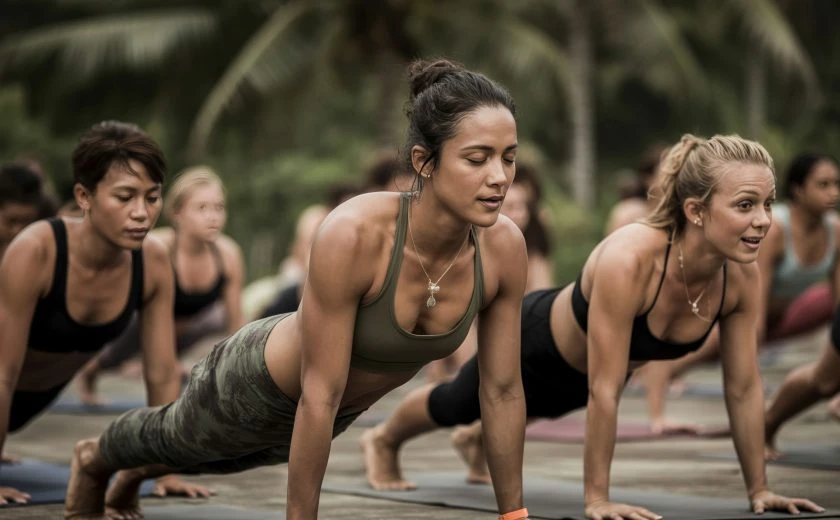
The repetition of foundational patterns such as Plank, Chaturanga, and standing flows develops upper body integration and core stability.

Nervous System Regulation Through Dynamic Practice
Although dynamic, Vinyasa can be deeply regulating.
Breath-led transitions enhance vagal tone and support emotional balance. When movement is anchored to breath, the practice becomes meditative. This combination of effort and awareness strengthens stress resilience and recovery capacity.
Rather than overstimulating the system, well-structured Vinyasa refines it.

Professional Development Through Vinyasa Training
For aspiring teachers, Vinyasa provides an ideal framework for learning cueing and class architecture.
At YogaUnion Bali, students explore:
• Alignment mechanics and anatomical precision
• Verbal cueing clarity
• Hands-on adjustment principles
• Injury prevention strategies
• Peak pose progression models
Students learn how to construct balanced flows that are challenging yet safe.
This transforms practice into professional competence.

Why Study Vinyasa Yoga in Bali
Bali offers an environment uniquely suited for immersive training. Natural surroundings, focused daily structure, and a supportive learning atmosphere create conditions for deep internal recalibration.
Away from distraction, students can refine discipline, expand physical capacity, and develop teaching confidence.
Our internationally accredited 200-hour and 300-hour programs integrate Vinyasa methodology with anatomy, philosophy, meditation, and Yin Yoga to create well–rounded educators.

Final Thoughts
Vinyasa Yoga is not simply flowing movement.
It is structured breath integration.
It is progressive strength development.
It is sequencing intelligence.
It is moving meditation.
When practiced with awareness and taught with precision, it becomes a lifelong discipline that supports vitality, clarity, and confident teaching.